
Why Architecturally Designed Homes Fail Without the Right Builder
Architecturally designed homes are, by definition, ambitious.
They push beyond standard layouts, challenge conventional construction methods, and aim to deliver something deeply personal — a home that reflects lifestyle, values, and long-term vision.
Yet many architecturally strong designs fall short in execution.
Not because the architecture wasn’t good enough — but because the builder wasn’t equipped to deliver it.
At the high end of residential construction, success isn’t determined by the drawings alone. It’s determined by the builder’s ability to interpret, protect, and execute the intent behind them.
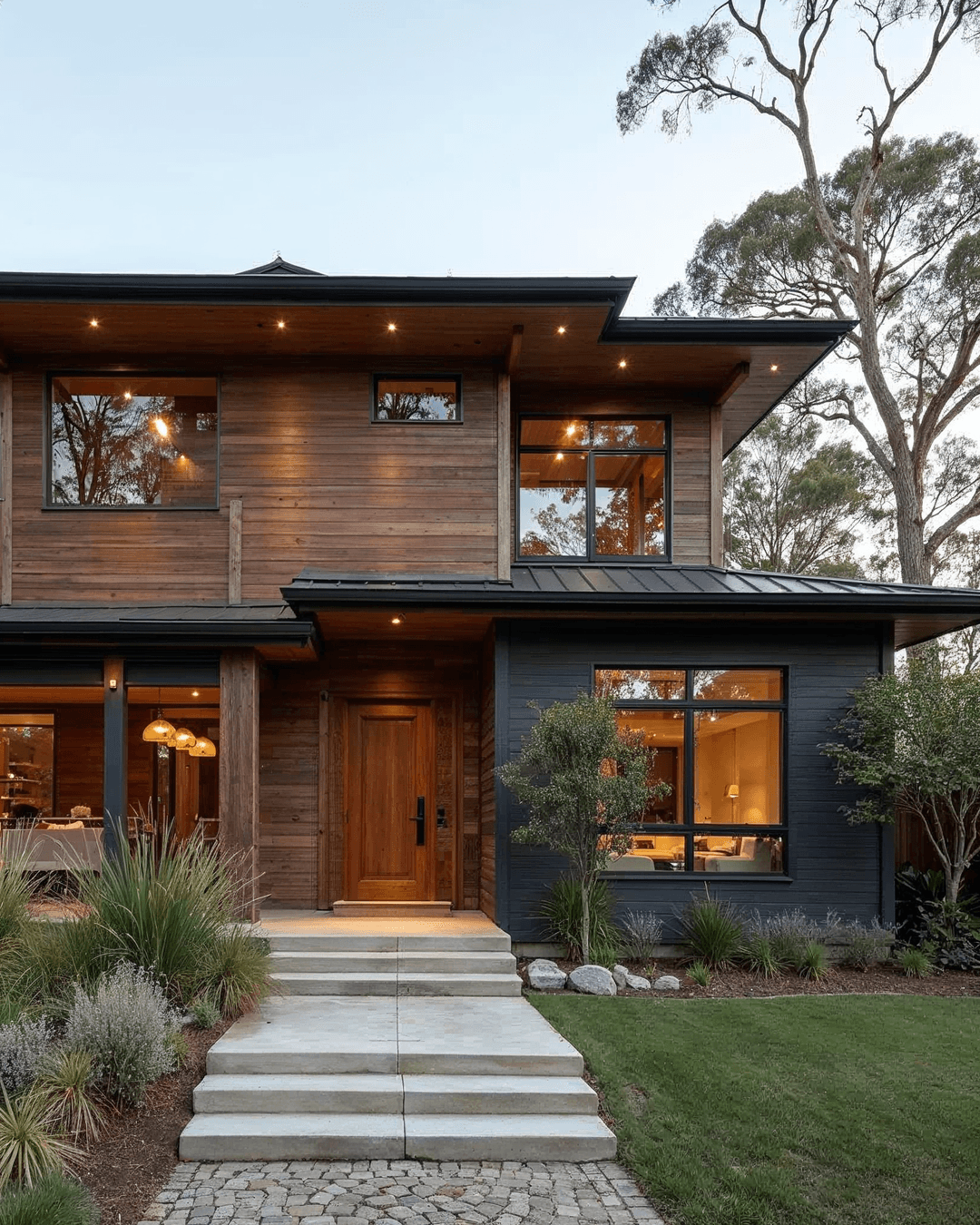
Architecture Sets the Vision. The Builder Protects It.
An architect’s role is to create a vision — spatially, aesthetically, and environmentally.
A builder’s role is to translate that vision into reality.
When the wrong builder is involved, the translation breaks down.
This often shows up as:
“Value engineering” that erodes design quality
Materials substituted for convenience rather than intent
Details simplified because they’re unfamiliar or time-consuming
A growing gap between what was imagined and what is delivered
Architecturally designed homes don’t fail in dramatic ways.
They fail quietly — through hundreds of small compromises.
The right builder understands that their job isn’t just to build the house — it’s to protect the design.
Complex Homes Require More Than Construction Skills
Luxury, architect-led projects are inherently more complex than standard builds.
They often involve:
Non-standard structural systems
Custom detailing and junctions
Tight tolerances
High-performance building envelopes
Coordination between architects, engineers, designers, and specialist trades
A builder who is used to repetitive or volume-style work can struggle in this environment — not due to lack of effort, but due to lack of process.
Architectural homes require:
Forward planning, not reactive problem-solving
Comfort with ambiguity early, and precision later
Willingness to ask questions rather than make assumptions
Without this mindset, complexity turns into delays, cost overruns, and frustration on all sides.
Where Most Projects Start to Go Wrong
In our experience, architecturally designed homes tend to fail in three predictable areas when the builder isn’t the right fit.
1. Communication Breakdown
Architectural projects demand constant, clear communication.
When a builder doesn’t:
Explain decisions clearly
Flag risks early
Provide transparent cost implications
Clients are left feeling disconnected from their own project — unsure what’s happening, why changes are occurring, or what it means for their budget and timeline.
At the luxury level, silence is not acceptable. Clarity is.
2. Misalignment on Quality and Detail
Architectural drawings often assume a level of care and craftsmanship that isn’t spelled out line by line.
If a builder:
Focuses on speed over accuracy
Treats details as optional rather than essential
Sees drawings as instructions, not intent
The result is a home that looks “fine” — but doesn’t feel right.
Quality in high-end homes is rarely about one feature.
It’s about how everything comes together.
3. Short-Term Decisions With Long-Term Consequences
Budget management matters. But cutting cost without understanding consequence is where problems begin.
Poor decisions early on can impact:
Thermal performance and comfort
Acoustic quality
Durability and maintenance
Energy efficiency over decades
The right builder helps clients understand trade-offs, not just line items — so decisions are informed, not reactive.
What the Right Builder Does Differently
The builders who succeed in architect-led projects tend to share a few non-negotiable traits.
They:
Engage early and collaborate openly with the architect
Respect design intent while bringing practical insight
Communicate clearly, even when conversations are difficult
Plan thoroughly before work begins on site
Take responsibility for outcomes, not just tasks
Most importantly, they see themselves as custodians of the client’s vision, not just contractors executing a scope.
Why Owner-Led, Boutique Builders Often Excel
In high-end residential work, scale can work against quality.
Owner-led, boutique builders often provide:
Direct access to the person making decisions
Fewer layers between client, site, and management
Greater accountability
More flexibility in responding to unique design challenges
When the person you meet at the start remains involved through to completion, alignment is easier to maintain — and issues are resolved faster.
For many clients, this level of involvement becomes the difference between a stressful experience and a controlled one.
A Final Thought for Clients Planning an Architectural Home
Choosing a builder for an architecturally designed home isn’t about finding someone who can “build it.”
It’s about finding someone who understands:
What makes the design valuable
Where risk hides in complex builds
How decisions today affect performance and longevity
Why communication matters as much as craftsmanship
The right builder doesn’t compete with the architect.
They reinforce them.
When that relationship works, architecturally designed homes don’t just look impressive — they perform, endure, and feel exactly as intended.